The GTA Homeowner\'s Guide to Whole-Home Automation
Everything you need to know before investing in a whole-home automation system in Toronto, Mississauga, or Oakville — from planning to installation.

The idea of a "smart home" has been around for decades, but the reality has changed dramatically in recent years. What was once a novelty — voice-controlled lights, a thermostat you could adjust from your phone — has evolved into something far more sophisticated: a unified, intelligent home environment that anticipates your needs, simplifies your routines, and enhances every aspect of daily life.
For homeowners across the Greater Toronto Area considering a whole-home automation investment, the questions are usually the same: Where do I start? What's actually possible? How much will it cost? And how do I avoid the mistakes that leave people with expensive systems they barely use?
This guide answers all of those questions.
What Is Whole-Home Automation?
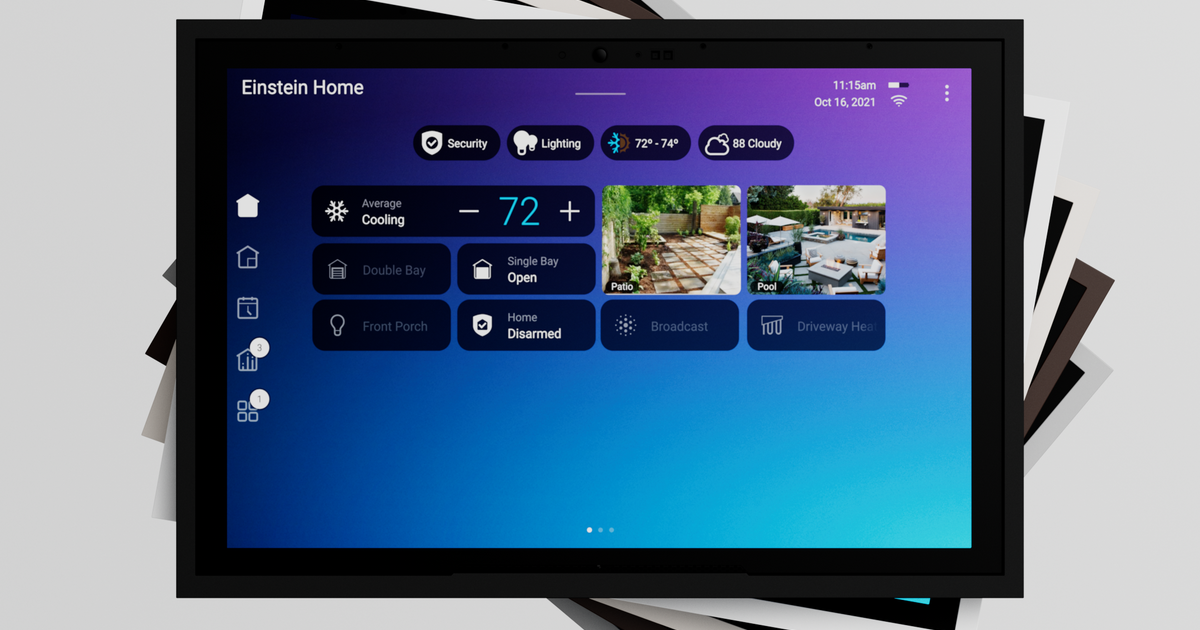
Whole-home automation is the integration of a home's systems — lighting, climate, security, audio, video, motorised shades, access control, and more — into a single, unified platform that can be controlled from one interface.
The key word is unified. A collection of smart devices from different manufacturers, each with its own app and its own logic, is not whole-home automation. It's a fragmented collection of gadgets that creates as much friction as it removes.
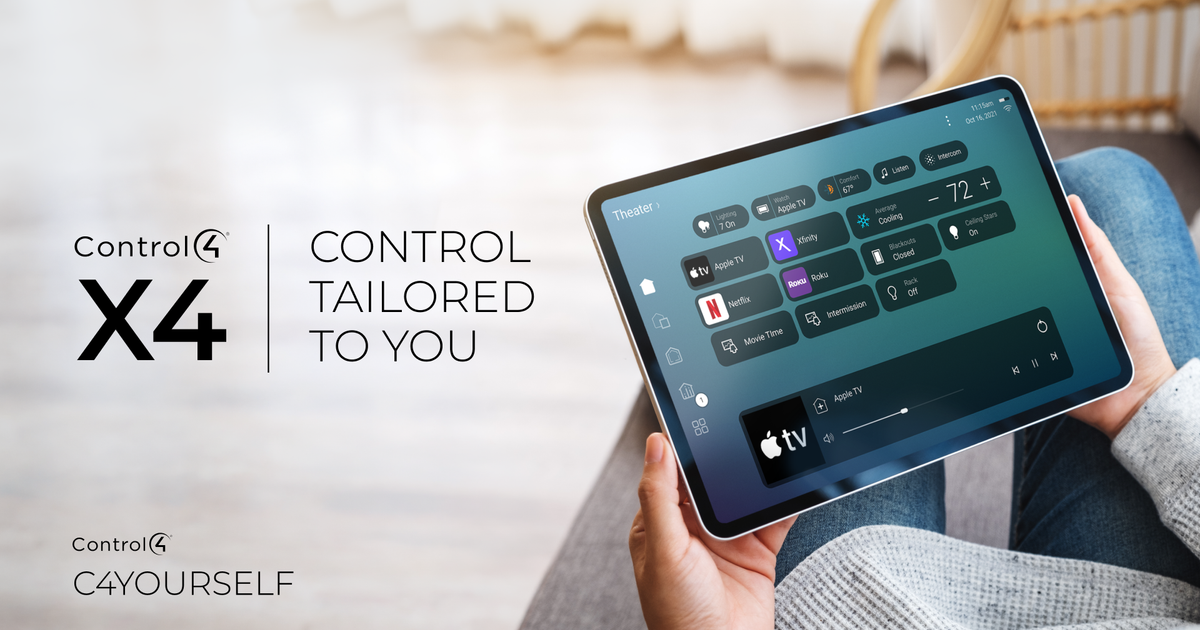
True whole-home automation, built on a professional platform like Control4, means every system in your home speaks the same language — and responds to a single command, a single schedule, or a single scene.
The Systems That Make Up a Smart Home
Lighting Control
Lighting control is typically the foundation of a whole-home automation system, and for good reason: it's the system you interact with most frequently, and it has the most immediate impact on how your home feels.
A professional lighting control system — typically built on Lutron's Homeworks or RadioRA platform — replaces standard switches with intelligent keypads and dimmers that can be programmed to create any scene imaginable. "Dinner" might dim the dining room to 60%, turn off the kitchen overhead lights, and bring the under-cabinet lighting to 30%. "Goodnight" might turn off every light in the house except the master bedroom nightlight.
Climate Control
Smart thermostats are the most widely adopted home automation component, but they're just the beginning. A fully integrated climate system can:
- Adjust temperature based on occupancy (no heating an empty house)
- Coordinate with motorised shades to manage solar gain
- Respond to weather forecasts (pre-cooling before a hot afternoon)
- Integrate with your "Away" mode to conserve energy when you're travelling
Security and Surveillance
Surveillance and access control integrated into your automation system means your security cameras, door locks, video doorbells, and alarm system all work together — and all appear in the same interface as your lights and music.
When someone rings the front door, your Control4 system can automatically pause your music, display the camera feed on the nearest screen, and allow you to unlock the door — all from your phone, whether you're in the kitchen or in another country.
Audio and Video
Distributed audio allows you to play music in any room — or every room — of your home, all controlled from a single interface. Different family members can listen to different music in different rooms simultaneously. Your favourite playlist follows you from the kitchen to the backyard as you move through the house.
Integrated video distribution means your cable box, streaming services, and Blu-ray player are available on any screen in the house — without duplicating equipment in every room.
Motorised Shades
Motorised window treatments are one of the most underrated components of a smart home. They contribute to energy efficiency (managing solar gain in summer, retaining heat in winter), privacy, and the overall sophistication of your lighting scenes.
When integrated with your lighting control system, shades and artificial light work together seamlessly — adjusting in concert to maintain perfect light levels throughout the day.
Planning Your Whole-Home Automation System
New Construction vs. Retrofit
The ideal time to install a whole-home automation system is during new construction or a major renovation, when walls are open and structured wiring can be run throughout the home. This allows for the cleanest, most capable installation — in-wall keypads, in-ceiling speakers, concealed wiring, and a dedicated equipment rack.
That said, modern wireless technologies have made retrofit installations increasingly capable. Lutron's RadioRA system, for example, uses a proprietary wireless protocol that works reliably in existing homes without requiring new wiring for every switch.
If you're building new in King City, Oakville, or anywhere in the GTA, now is the time to plan your automation infrastructure — even if you're not ready to install the full system immediately. Running the conduit and wiring during construction costs a fraction of what it would cost to retrofit later.
Defining Your Priorities
Before meeting with an automation dealer, it helps to think through your priorities:
- Which rooms do you spend the most time in?
- What are your biggest daily friction points? (Forgetting to turn off lights, adjusting the thermostat, managing multiple remotes?)
- Do you entertain frequently? What does that experience look like today, and what would you want it to look like?
- Do you travel often? What would give you peace of mind while you're away?
- Are there family members with specific needs — elderly parents, young children — that the system should accommodate?
A good automation dealer will ask these questions and design a system around your answers — not around a standard package.
Budgeting for Whole-Home Automation
Whole-home automation is a significant investment, and the range is wide. As a rough guide for GTA homes:
- Starter system (lighting control + climate + basic AV integration): $15,000–$30,000
- Mid-range whole-home system (full lighting, climate, AV, surveillance, motorised shades): $50,000–$100,000
- Comprehensive luxury installation (all systems, home theatre, outdoor AV, full integration): $100,000+
These figures include design, equipment, installation, programming, and commissioning. Ongoing maintenance and support is typically handled through an annual plan.
Choosing the Right Automation Dealer in the GTA
Not all automation dealers are equal. When evaluating dealers for your GTA home, look for:
Certification: Control4 Certified dealers have demonstrated technical competence and are held to ongoing standards by the manufacturer. AVLUM is a Control4 Certified Showroom dealer.
Experience: Ask to see completed projects similar to yours. A dealer who has installed systems in homes like yours — in terms of size, style, and complexity — will anticipate challenges that a less experienced dealer might miss.
Support: The relationship doesn't end at installation. Ask about ongoing support, remote monitoring, and what happens when something needs attention. AVLUM's maintenance plans provide structured support for every system we install.
Showroom: A dealer with a working showroom allows you to experience the technology before committing. Our Mississauga showroom at 4-3375 Laird Road demonstrates Control4, Lutron, and distributed AV in a real-world environment.
Getting Started
AVLUM serves homeowners across the Greater Toronto Area — Mississauga, Toronto, Oakville, Vaughan, Richmond Hill, Etobicoke, North York, and King City — with whole-home automation design and installation.
Whether you're building new, renovating, or simply ready to upgrade your existing home, we'd love to talk through what's possible. Contact our team to schedule a consultation — no obligation, just a conversation about your home and your goals.
Explore Topics
Written by
AVLUM Team
Content creator and writer sharing insights and stories.